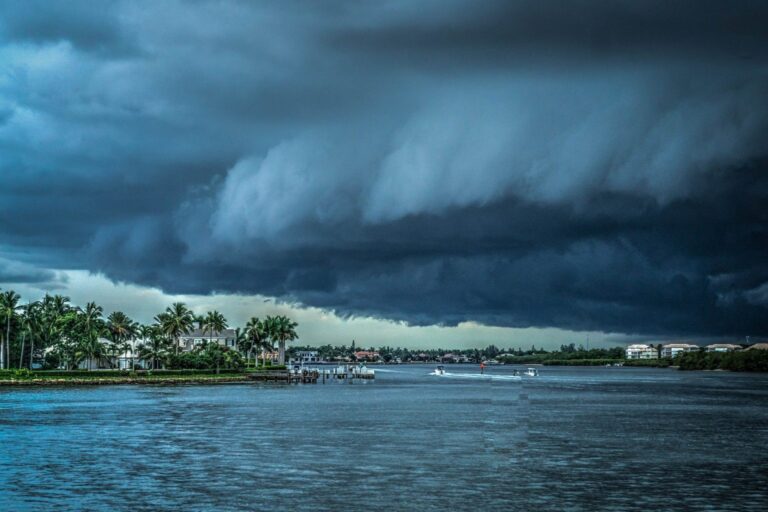
Summer 2026 ranks, according to the German Weather Service (DWD), among the warmest since the start of regular measurement series. High temperatures and several heatwaves dominated the weather for weeks. Periods with substantially above-average values prevailed, as comparisons with long-term climate means show.
Alongside the heat, widespread precipitation deficits occurred. Localized severe thunderstorms with heavy rain and hail did cause damage, but they did not sustainably replenish the water budgets of affected regions. Particularly in parts of the southern midlands and the south — including the Palatinate (Pfalz), Rheinhessen and Lower Franconia (Unterfranken) — rainfall has remained noticeably below average since spring.
The dryness reached many places into deeper soil layers. That stresses cultivated crops, whose roots can no longer access sufficient water reserves, and raises the risk of harvest losses. Significant production declines were reported regionally on grassland — with immediate consequences for fodder availability and livestock farming.
Falling levels in reservoirs and flowing waters put water utilities and municipalities under pressure. Regionally, adjustments to withdrawals and operational procedures became necessary; at the same time hydropower generation suffered from low flows. The risk of forest and open‑land fires increased, as drying vegetation favors ignition and rapid spread.
In agriculture the combination of heat and soil moisture loss intensified drought stress in arable and forage crops. Farms in affected areas report yield reductions. Municipalities are prioritizing drinking-water protection, fire prevention and adapted land management in response. Short‑term measures range from extended irrigation cycles to restrictions on the maintenance of public green spaces; in the long term, soil building, variety selection and water storage strategies are the focus.
International attribution studies — for example by World Weather Attribution — place such extremes within the climate trend: human‑caused warming increases the likelihood and intensity of heatwaves and dry spells. Higher average temperatures raise evaporation rates and cause soils to dry out faster. Precipitation is redistributed unevenly: locally more intense downpours occur alongside broadly reduced totals, sometimes during vegetationally critical development windows.
How severely regions are affected depends on local conditions. Soil type, groundwater levels, vegetation, land use and water management all influence resilience. Deep, humus‑rich soils store water longer, while sandy substrates lose moisture more quickly. Intact wetlands and well‑managed reservoirs can mitigate impacts, whereas intensive irrigation without sustainable planning can exacerbate resource conflicts.
The DWD assessment fits into a longer‑observed trend of shifted temperature baselines and more frequent extreme heat — from winter through spring into summer. Policymakers and administrations are called on to deepen adaptation strategies and strengthen the resilience of water supplies. For agriculture, site‑adapted cropping systems, diverse crop rotations and soil protection come to the fore.
Because climate adaptation spans multiple sectors, closer coordination is needed between urban planning, forestry, water management, agriculture and disaster protection. Discussed measures include site‑appropriate afforestation, river renaturation and buffer zones. Farms are increasingly investing in long‑term soil protection and more efficient irrigation systems.
The Summer 2026 review makes the vulnerability of sensitive systems visible — and at the same time shows which levers can reduce risks. Extreme weather remains likely; what matters is how well regions are prepared.
Länderblick Deutschland
The original source allows readers to verify the source material and subsequent updates.
Open source →