Summer tournament with a wide risk landscape
The 2026 FIFA World Cup runs from 11 June to 19 July across the United States, and Mexico. The 16 host cities span very different climate zones; the final is scheduled for 19 July in the New York/New Jersey region. The timing and geographic spread increase the likelihood that heat, high humidity or severe will affect the tournament.
Heat as a central health and system risk
In many parts of , the highest annual temperatures occur in early to mid-summer. For players and fans, high air temperature combined with humidity raises the risk of heat stress, exhaustion and heat stroke. Older people, very young children and those with chronic illnesses are particularly vulnerable. heat island effects in large cities also reduce nighttime cooling. Open stadium architecture without sufficient shading can increase exposure. At the same time, cooling demand rises—local power grids may come under strain.
A broad spectrum of extreme events
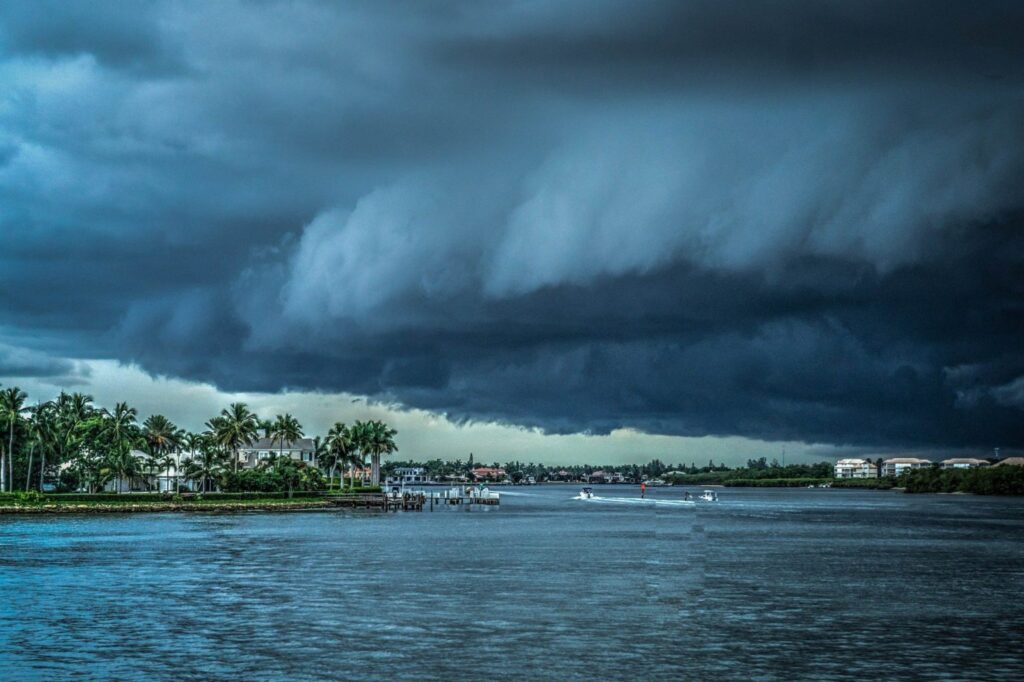
Severe thunderstorms with heavy rain can interrupt matches, block access routes and damage . In coastal areas, intense precipitation increases the risk of local flooding; storm gusts complicate operations. The diversity of host locations spreads risks but makes planning and logistics more difficult.
Context from extreme-weather attribution
shows heatwaves are already occurring more often and with greater intensity. Attribution studies link these changes to human-caused . Methodologically, observations from today’s human-influenced world are compared with a hypothetical, cooler world without anthropogenic greenhouse gases. The result: events that used to be rare now occur with higher probability.
Consequences for match operations and organization
Regulations allow cooling and drinking breaks, adjustments to kick-off times and expanded medical protocols. Crucial are flexible schedules and the ability to move matches at short notice to avoid critical periods. Stadiums can improve safety and comfort with shading, ventilation and sufficient water supplies.
Travel and access as a weak spot
Overcrowded transport systems, supply bottlenecks and long waits in the sun increase risks for spectators. Coordinated plans among organizers, cities and emergency services, along with clear information about protective measures, can help mitigate these risks.
Strain and opportunities for host cities
Major events can place additional burdens on hospitals and emergency services, while peak loads from air conditioning can raise the risk of power outages. At the same time, the tournament provides an opportunity for investments: more efficient cooling in stadiums, additional shaded and green retreat spaces and improved public transport can enhance long-term resilience to heat and heavy rain.
Adaptation as a continuous task
Beyond the tournament, strategies are needed such as urban greening, heat-reflective materials, robust power grids and reliable early-warning systems for heat and severe weather. Training and match planning should integrate , medical teams should be specialized for heat events, and information campaigns should reach fans and staff.
The 2026 World Cup highlights how dependent large events are on climatic conditions. Rising , more frequent heat extremes and more intense rainfall narrow safety margins. Well-prepared hosts can use the tournament to strengthen protection for people and and to advance long-term adaptation.
World Weather Attribution - Hauptfeed
The original source allows readers to verify the source material and subsequent updates.
Open source →