This year’s routine survey of the hypoxic zone in the Gulf of Mexico was markedly smaller than expected. Approximately 1,332 square miles of oxygen-poor seafloor were recorded — about 3,450 square kilometers — making it one of the two smallest extents observed in roughly four decades.
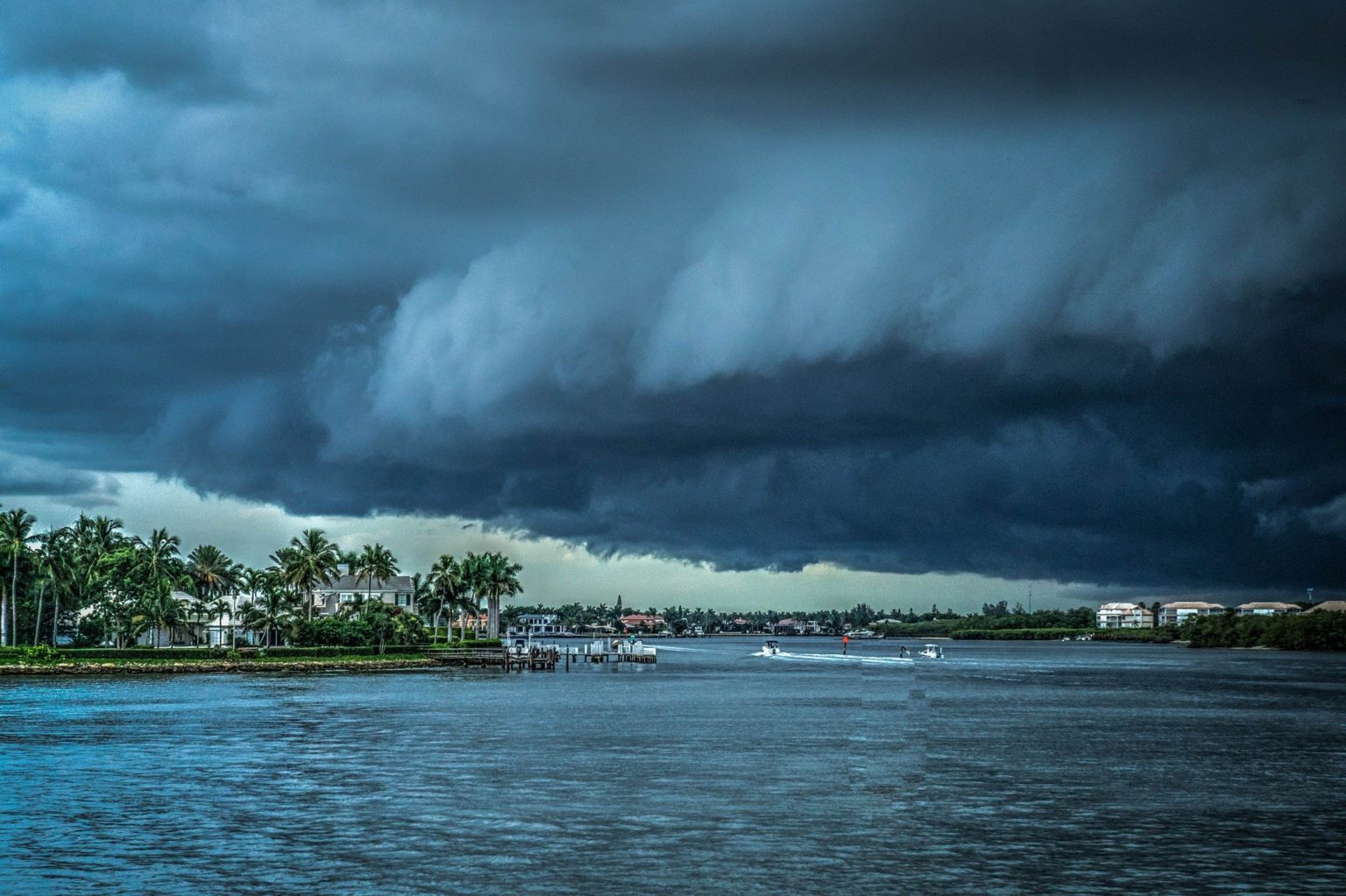
According to the teams, the measurement campaign was preceded by the passage of Tropical Storm Bertha across the northern Gulf. Wind and waves mixed oxygen-rich surface waters into deeper layers, temporarily raising bottom oxygen levels. Consequently, the survey carried out at the end of July registered substantially higher near-bottom oxygen than would have been expected without the storm event.
Survey and method
The survey took place from 24 to 30 July along a fixed grid. A CTD package — measuring conductivity, temperature and depth — equipped with oxygen sensors was repeatedly lowered through the water column. The standardized procedure allows direct comparison with measurement series from the past roughly 40 years.
Why 'dead zones' form
Hypoxia occurs when dissolved oxygen near the seafloor drops sharply. The main drivers are high nutrient inputs — especially nitrogen and phosphorus from agriculture, wastewater and tributaries — combined with stable water column stratification. Nutrients fuel algal blooms; when organisms die and sink, microbial decomposition consumes oxygen. At the same time, strong stratification — often caused by fresh, warmer surface water from large rivers like the Mississippi and Atchafalaya overlying cooler, saltier deep water — limits vertical exchange.
Storms as a short-term counterforce
Storm events break up stratification and transport oxygen downward. That temporarily reduces the area of hypoxia — as was observed this year after Bertha. A single storm, however, does not resolve the underlying causes in the long term.
Ecological and economic consequences
Hypoxic areas mainly affect bottom-dwelling species: fish, crustaceans and bivalves lose habitat or are forced to move; local fisheries face catches and planning risks. Short-term relief from storms changes little about the fundamental pressures on benthic communities and juvenile fish.
Implications for policy and management
The measurement highlights how strongly meteorological events modulate the annual extent of hypoxia. Small areas in stormy years are not a sign of lasting improvement. In the long run, reducing nutrient loads remains central — for example through adjusted fertilizer use, improved wastewater treatment and changed land use in the watershed.
Continuity in monitoring
Continuous observations are crucial to separate short-term weather effects from long-term trends. Only then can the effectiveness of measures, altered precipitation patterns and future storm-driven mixing be robustly assessed — for coastal communities, the fishing industry and conservation alike.