Schlagwort: marine ecology

  • El Niño shifts nutrient and productivity patterns in the Pacific

    El Niño shifts nutrient and productivity patterns in the Pacific

    Satellites show a turnaround in the Pacific

    In the summer of 2026, satellites recorded unusual distributions of chlorophyll at the surface of the Pacific Ocean. In classic high‑productivity zones values fell markedly, while sporadic increases appeared elsewhere. The pattern matches typical signals of a developing El Niño event, in which temperature and circulation conditions shift on a broad scale.

    Why chlorophyll matters

    Surface chlorophyll is an established proxy for phytoplankton biomass — the base of marine food chains. Space‑borne, area‑wide datasets complement local measurements: they reveal where nutrient‑rich water is upwelling and where primary production is stalling. Limits remain: satellites mainly detect the very top layer of the ocean and do not provide information on species composition or production depth. Nevertheless, they allow rapid detection of large‑scale changes.

    Reduced upwelling, fewer nutrients

    Typical for El Niño is a warming of the central and eastern equatorial Pacific. Warmer, lighter surface water weakens the upwelling of cold, nutrient‑rich deep water. Surface waters then lack nutrients — accordingly, chlorophyll values decline along the South American coast and in equatorial waters. Ecosystems that rely on a steady nutrient supply are affected.

    Regional exceptions

    Productivity does not fall everywhere to the same degree. Locally, altered currents, eddies or changed precipitation patterns — with consequences for river inputs — can produce short‑term increases. Often different plankton groups come to dominate: smaller cells fare better under warm, nutrient‑poor conditions but transfer less energy to higher trophic levels. That can lead to lower food availability for fish and marine mammals despite a higher biomass at the base.

    Impacts on fisheries and fauna

    Commercial fish stocks respond sensitively to fluctuations in primary production, especially when they are spatially tied to productive coastal zones. Declining catches are known from past El Niño years; similar patterns are emerging for 2026. Seabirds, seals and whales often react early: lacking prey, breeding success and juvenile survival decline.

    Heat, oxygen and biogeochemical cascades

    Warming reduces oxygen solubility and weakens vertical mixing. In already low‑oxygen areas deficits can worsen, further restricting habitats. At the same time plankton composition changes and thereby the pathways by which carbon is exported to depth — with implications for the role of the oceans as a carbon sink.

    Long‑term context

    El Niño events are part of natural climate variability. An overall warmer ocean, however, shifts baseline conditions, increases the likelihood of extreme marine heat events and can influence the frequency or intensity of El Niño. Ecosystems thus lose buffering capacity and may recover more slowly from disturbances.

    Data basis and monitoring

    Satellite‑based chlorophyll indicators provide comparable, near‑real‑time monitoring across large areas. To constrain causes and assess consequences for biodiversity and stocks, complementary measurements from profiles, buoys and research vessels are necessary.

    Outlook

    The observed shifts in chlorophyll suggest a reorganization of the Pacific's food base. In the short term, regional catch declines and increased stress on top consumers are likely. How strong and how long the effects will be depends on the duration and intensity of the El Niño event and on the pre‑existing condition of the ecosystems. Adaptive fisheries management, protection of critical habitats and continuous monitoring can help limit ecological and economic damage.

  • Gulf of Mexico: Hypoxic Zone 2026 Unusually Small – Tropical Storm Bertha Causes Mixing

    Gulf of Mexico: Hypoxic Zone 2026 Unusually Small – Tropical Storm Bertha Causes Mixing

    This year’s routine survey of the hypoxic zone in the Gulf of Mexico was markedly smaller than expected. Approximately 1,332 square miles of oxygen-poor seafloor were recorded — about 3,450 square kilometers — making it one of the two smallest extents observed in roughly four decades.

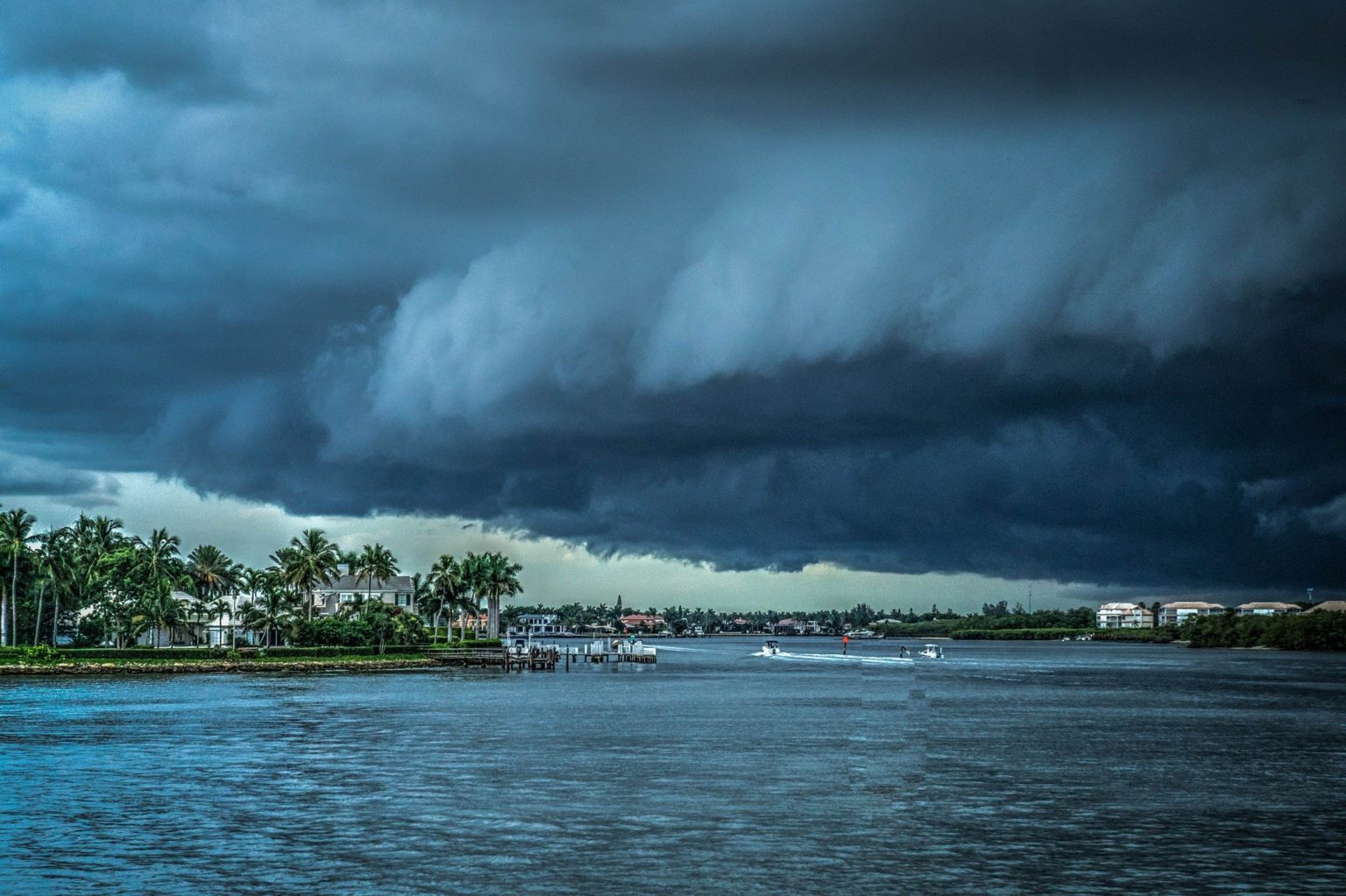
    According to the teams, the measurement campaign was preceded by the passage of Tropical Storm Bertha across the northern Gulf. Wind and waves mixed oxygen-rich surface waters into deeper layers, temporarily raising bottom oxygen levels. Consequently, the survey carried out at the end of July registered substantially higher near-bottom oxygen than would have been expected without the storm event.

    Survey and method

    The survey took place from 24 to 30 July along a fixed grid. A CTD package — measuring conductivity, temperature and depth — equipped with oxygen sensors was repeatedly lowered through the water column. The standardized procedure allows direct comparison with measurement series from the past roughly 40 years.

    Why 'dead zones' form

    Hypoxia occurs when dissolved oxygen near the seafloor drops sharply. The main drivers are high nutrient inputs — especially nitrogen and phosphorus from agriculture, wastewater and tributaries — combined with stable water column stratification. Nutrients fuel algal blooms; when organisms die and sink, microbial decomposition consumes oxygen. At the same time, strong stratification — often caused by fresh, warmer surface water from large rivers like the Mississippi and Atchafalaya overlying cooler, saltier deep water — limits vertical exchange.

    Storms as a short-term counterforce

    Storm events break up stratification and transport oxygen downward. That temporarily reduces the area of hypoxia — as was observed this year after Bertha. A single storm, however, does not resolve the underlying causes in the long term.

    Ecological and economic consequences

    Hypoxic areas mainly affect bottom-dwelling species: fish, crustaceans and bivalves lose habitat or are forced to move; local fisheries face catches and planning risks. Short-term relief from storms changes little about the fundamental pressures on benthic communities and juvenile fish.

    Implications for policy and management

    The measurement highlights how strongly meteorological events modulate the annual extent of hypoxia. Small areas in stormy years are not a sign of lasting improvement. In the long run, reducing nutrient loads remains central — for example through adjusted fertilizer use, improved wastewater treatment and changed land use in the watershed.

    Continuity in monitoring

    Continuous observations are crucial to separate short-term weather effects from long-term trends. Only then can the effectiveness of measures, altered precipitation patterns and future storm-driven mixing be robustly assessed — for coastal communities, the fishing industry and conservation alike.

  • NOAA Honors Industrial Economics as Small Business of the Year 2026

    NOAA Honors Industrial Economics as Small Business of the Year 2026

    The National Oceanic and Atmospheric Administration (NOAA) has named Industrial Economics, Inc. (IEc) Small Business of the Year 2026. The award recognizes technical innovation, operational excellence and environmentally responsible work in restoring damaged reef structures. The honor also highlights the growing role of private providers in coastal and marine restoration, which is becoming increasingly important for climate adaptation.

    Challenges on site

    The work involved damaged reef infrastructure such as that caused by storms, vessel traffic or prolonged ecosystem stress. Difficult environmental conditions and logistical delays made the operations challenging. IEc adapted procedures and workflows to carry out repairs safely and to shorten recovery times.

    Innovation and operational agility

    According to NOAA, IEc stood out for technical ingenuity and process improvements. The combination of these approaches allowed the company to meet project goals and exceed the planned restoration area.

    Safety in focus

    NOAA emphasized the company’s safety performance: IEc completed all work without a reportable injury. This demonstrates that efficient restoration and strict occupational safety can go hand in hand.

    Ecological impact

    Intact reefs protect coasts from erosion, absorb wave energy during storm surges and provide feeding and breeding grounds for numerous species. Together with seagrass meadows and mangroves, they strengthen the resilience of entire coastal regions. Accelerated and more extensive restoration increases the chances of preserving these functions despite growing climate pressures.

    Relevance for climate adaptation

    Reefs are sensitive to rising water temperatures, acidification and more frequent, intense storms. Because natural recovery is often too slow, restoration projects help stabilize structures, revitalize habitats faster and make populations more resilient. In doing so, they also indirectly reduce risks to coastal infrastructure and maritime value chains.

    Role of small businesses and procurement

    The award brings attention to small and medium-sized enterprises with specialized expertise. These firms fill operational gaps, link scientific approaches with practical implementation and work closely with agencies and researchers. Procurement programs and funding lines provide the framework for this cooperation. Successful projects set standards and can help disseminate methods and technologies in practice.

    Outlook

    The recognition of IEc reflects a broader trend: a professionalization of marine restoration work in which technical innovation and ecological benefit go hand in hand. With increasing pressures on coastal ecosystems, the need for close collaboration between government, science and specialized companies will continue to grow.