On Wednesday, 12 August 2026, the Moon's umbra will cross parts of Europe. The path of totality runs from Greenland and Iceland and continues over northeastern regions of Portugal and parts of Spain. In much of Europe the Sun will be partially covered. For the Spanish mainland this will be the first total solar eclipse since 1905.
What happens during a total solar eclipse
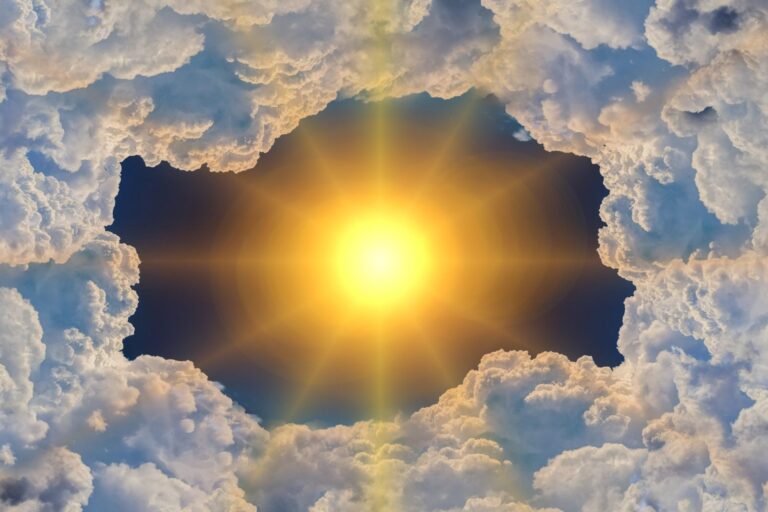
During a total solar eclipse the Moon is positioned exactly between the Earth and the Sun. Within the narrow umbra the solar disc is completely obscured and the corona — the Sun's thin, luminous atmosphere — becomes visible. Along the path of totality daylight briefly falls into twilight for a few minutes.
Visibility in Europe
A complete darkening is visible along the path of totality; outside that path observers will see a partial eclipse. The duration and degree of coverage vary by location.
ESA offering: livestream and events
The European Space Agency (ESA) is preparing a livestream from the Observatorio Astrofísico de Javalambre, featuring images from ground stations and expert commentary. In parallel, and in cooperation with the city and the University of León, public events are planned with workshops, short talks and supervised observing.
Scientific value
Total eclipses enable measurements that are hard to isolate under normal conditions. Researchers will study short-term changes in temperature, wind and radiation as well as responses in the upper atmosphere and the ionosphere. Observations of the corona provide information on magnetic structures and eruptions on the Sun — relevant for understanding space weather that can affect satellites and infrastructure. Satellite data complement ground-based measurements and provide a broader perspective for atmospheric and climate models.
Safety and observing
Looking directly at the Sun is dangerous. Without certified protective filters, it is only safe to view with the naked eye during the brief totality phase while inside the umbra. At all other times, certified eclipse glasses or telescopes with certified filters are required. Follow guidance from event organisers, especially when observing with children.
On site and online
Public observing events combine scientific context with a communal experience. Plans include telescope observing with appropriate filtering and introductory activities on solar physics. For those outside the path of totality or unable to travel, the livestream offers a real-time alternative.
ESA Top News
The original source allows readers to verify the source material and subsequent updates.
Open source →